
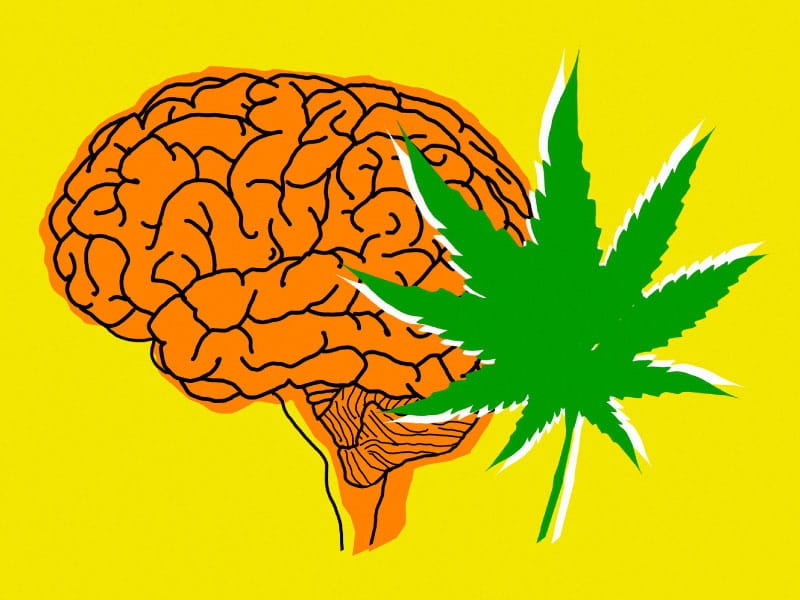
Tetrahydrocannabinol (THC) is the primary psychoactive compound found in cannabis. It is responsible for the “high” that people experience when using marijuana products. Over the past decade, interest in THC has grown due to the expanding legalization of cannabis and increasing research into its medical and psychological effects.
Understanding how THC affects the brain and body is important for anyone considering cannabis use, whether for recreational purposes or potential therapeutic benefits. THC interacts with specific systems in the body that regulate mood, memory, appetite, and pain perception.
What Is THC?
THC, or tetrahydrocannabinol, is one of over 100 cannabinoids found in the cannabis plant. Unlike CBD (cannabidiol), THC produces psychoactive effects that alter perception, mood, and cognitive function.
When cannabis products containing THC are consumed—through smoking, vaping, or edibles—the compound enters the bloodstream and quickly travels to the brain. There, it interacts with the body’s endocannabinoid system (ECS), a complex network responsible for maintaining balance in many physiological processes.
The ECS includes receptors located throughout the brain and body. THC primarily binds to CB1 receptors in the brain, which influences mental and neurological functions.
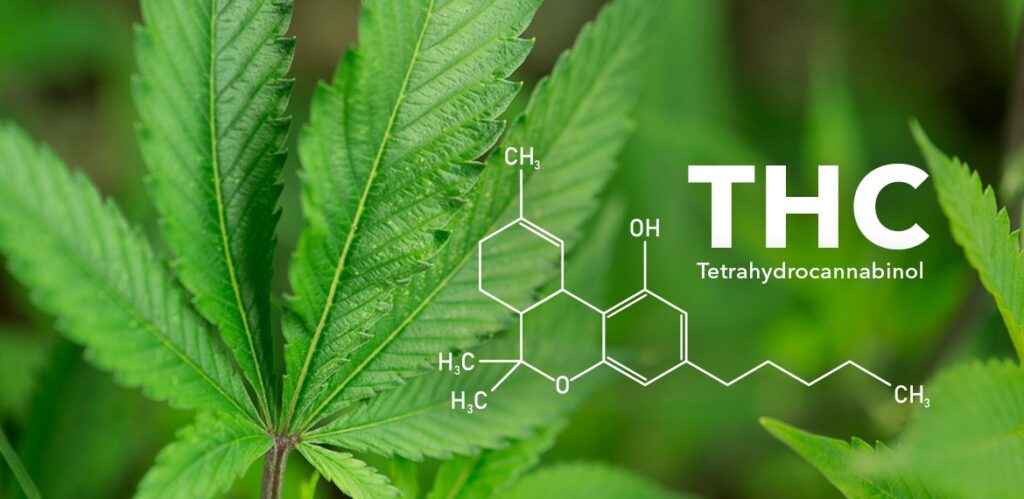
How THC Affects the Brain
THC affects several key areas of the brain responsible for memory, coordination, pleasure, and decision-making.
1. Memory and Learning
One of the most noticeable effects of THC is its impact on memory. THC interferes with the hippocampus, the brain region responsible for forming new memories.
This is why people under the influence of THC may experience:
- Short-term memory issues
- Difficulty concentrating
- Slower learning ability
These effects are usually temporary but may become more pronounced with heavy or frequent use.
2. Mood and Pleasure
THC stimulates the release of dopamine, a neurotransmitter associated with pleasure and reward. This can lead to feelings of relaxation, happiness, or mild euphoria.
However, in some individuals—especially with high doses—THC can cause:
- Anxiety
- Paranoia
- Mood swings
The psychological effects often depend on dosage, tolerance, and individual brain chemistry.
3. Perception and Sensory Changes
THC can alter the way the brain processes sensory information. This may affect how users perceive time, sound, colors, or physical sensations.
Common experiences include:
- Enhanced sensory perception
- Altered sense of time
- Increased appreciation for music or food
These changes occur because THC modifies neural communication in areas responsible for sensory processing.
4. Coordination and Motor Control
The cerebellum and basal ganglia are brain regions involved in movement and balance. THC affects these areas, which can impair coordination and reaction time.
Because of this effect, activities like driving or operating machinery while under the influence of THC can be dangerous.
How THC Affects the Body
Beyond the brain, THC influences many physical systems in the body.
1. Appetite Stimulation
One well-known effect of THC is increased appetite, often referred to as “the munchies.” THC activates brain regions that regulate hunger and reward, making food more appealing.
This effect has been used medically to help patients experiencing appetite loss due to conditions such as cancer treatments or chronic illness.
2. Pain Perception
THC interacts with cannabinoid receptors in the nervous system that influence how the body processes pain signals. This interaction may reduce the perception of pain and discomfort.
Because of this property, THC is sometimes included in medical cannabis treatments aimed at managing chronic pain.
3. Heart Rate and Circulation
Shortly after consuming THC, many people experience an increase in heart rate. Blood vessels may also dilate, which can cause the characteristic red eyes often associated with cannabis use.
For most healthy adults, these effects are temporary. However, individuals with cardiovascular conditions should approach THC use cautiously.
4. Sleep Regulation
THC may influence sleep patterns by interacting with brain regions that regulate the sleep–wake cycle. Some people report falling asleep faster after using THC.
However, long-term or heavy use may disrupt sleep quality and reduce REM sleep, which is important for cognitive recovery and dreaming.
Short-Term vs Long-Term Effects of THC
The impact of THC on the brain and body can vary depending on frequency and dosage.
Short-Term Effects
Common short-term effects include:
- Euphoria or relaxation
- Altered perception
- Increased appetite
- Impaired memory and concentration
- Slower reaction time
These effects typically last between 2 to 6 hours, depending on the method of consumption.
Long-Term Effects
Long-term or heavy THC use may lead to:
- Reduced cognitive performance
- Memory difficulties
- Dependence in some individuals
- Mental health challenges in vulnerable users
Research is ongoing to better understand how prolonged THC exposure affects brain development, especially in adolescents.
Factors That Influence THC’s Effects
The way THC affects the brain and body can vary widely among individuals. Several factors influence the experience:
- Dosage and potency of the THC product
- Method of consumption (smoking, vaping, edibles)
- Individual tolerance levels
- Body weight and metabolism
- Previous cannabis experience
Because THC potency has increased significantly in modern cannabis products, understanding dosage is especially important for safe use.
THC vs CBD: Key Differences
Although both THC and CBD come from the cannabis plant, their effects are very different.
- THC produces psychoactive effects and can alter mood and perception.
- CBD does not cause a “high” and is often used for relaxation and wellness support.
Many cannabis products combine both compounds to balance their effects.
Final Thoughts
THC affects the brain and body through its interaction with the endocannabinoid system, influencing memory, mood, coordination, appetite, and pain perception. While many users experience relaxation and temporary euphoria, THC can also produce cognitive and physical side effects depending on dosage and individual sensitivity.
As cannabis research continues to evolve, understanding the effects of THC on the brain and body helps people make informed decisions about its use. Responsible consumption and awareness of potential risks remain key factors for safe cannabis experiences.