
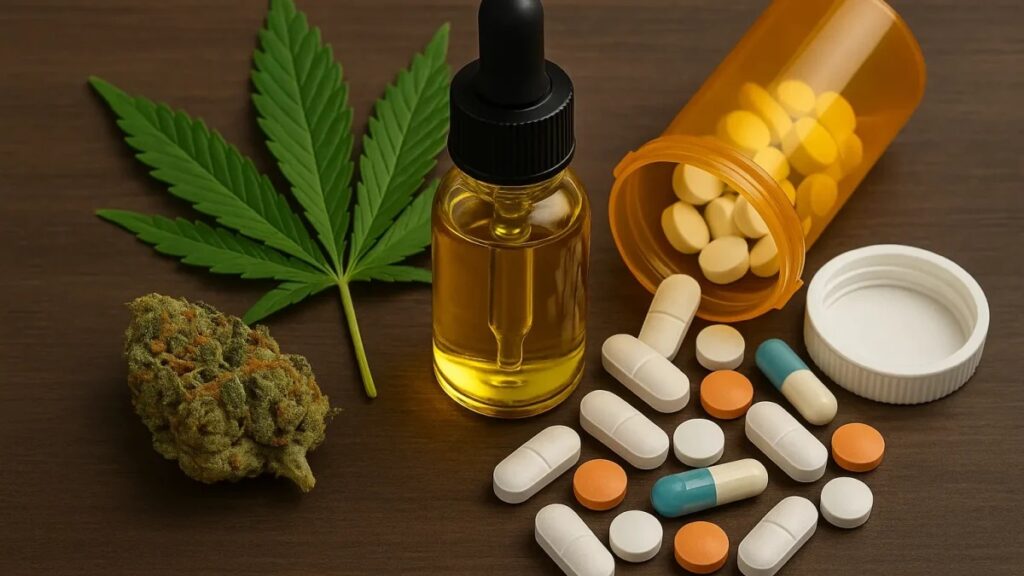
CBD, short for cannabidiol, has become one of the most talked-about wellness ingredients in recent years. From oils and gummies to capsules and topical products, CBD is now widely available and used by millions of people seeking natural wellness support. However, many consumers still have an important question: Is CBD a prescription drug or a natural supplement?
The answer is not always straightforward. CBD exists in both pharmaceutical and consumer wellness markets, which often creates confusion among buyers. Understanding the difference between prescription CBD products and over-the-counter CBD supplements can help consumers make informed decisions.
What Is CBD?
CBD (cannabidiol) is a naturally occurring compound found in the cannabis plant. Unlike THC (tetrahydrocannabinol), CBD does not produce intoxicating effects or a “high.” Researchers have studied CBD for its potential role in supporting overall wellness and its interaction with the body’s endocannabinoid system.
Today, CBD is available in many forms, including:
- CBD oil
- CBD gummies
- CBD capsules
- CBD creams and topicals
- CBD pet products
- CBD beverages
Because of its growing popularity, many people wonder whether CBD should be treated as a medication or a dietary supplement.
Is CBD a Prescription Drug?
The answer depends on the specific CBD product.
Certain CBD-based medications have been approved by regulatory authorities for specific medical uses. These products are available only through a prescription and are subject to strict manufacturing, testing, and quality-control standards.
Prescription CBD medications are developed and evaluated through clinical research and are intended to treat specific medical conditions under professional medical supervision.
These pharmaceutical CBD products differ significantly from the CBD oils, gummies, and supplements commonly found in retail stores and online marketplaces.
Is CBD a Natural Supplement?
Many CBD products sold directly to consumers are marketed as wellness products rather than prescription medications.
These products typically contain hemp-derived CBD and are used by individuals seeking support for their overall wellness routines. CBD supplements are available without a prescription in many regions, although regulations vary by country and jurisdiction.
Common examples include:
- Full-spectrum CBD oil
- Broad-spectrum CBD products
- CBD gummies
- CBD softgels
- CBD topical creams
These products are generally intended for wellness purposes and are not approved as prescription medications.
Key Differences Between Prescription CBD and CBD Supplements
Understanding the distinction between prescription CBD and consumer CBD products is essential.
Prescription CBD Products
- Available only through healthcare providers
- Developed for specific medical conditions
- Subject to extensive clinical testing
- Manufactured under pharmaceutical standards
- Require medical supervision
CBD Supplements
- Available directly to consumers
- Used as part of personal wellness routines
- Available in various forms and strengths
- May have different regulatory requirements depending on location
- Typically purchased online or through retail stores
While both contain cannabidiol, they serve different purposes and operate within different regulatory frameworks.
Why Is There Confusion About CBD?
The confusion surrounding CBD often comes from the fact that the same active compound appears in both prescription medications and consumer wellness products.
Many consumers hear about clinical studies involving CBD and assume all CBD products are prescription drugs. Others see CBD sold in stores and assume it is simply a standard supplement.
In reality, CBD occupies a unique position where pharmaceutical products and wellness products coexist within the broader CBD market.
How Are CBD Products Regulated?
CBD regulations vary significantly around the world.
In some countries, certain CBD products are classified as prescription medicines. In others, hemp-derived CBD products may be available as wellness supplements, provided they meet local legal requirements.
Consumers should always:
- Review local regulations
- Purchase from reputable brands
- Check third-party laboratory testing
- Verify product ingredients
- Follow manufacturer guidelines
Choosing high-quality products from trusted companies can help ensure product transparency and safety.
Should You Talk to a Healthcare Professional Before Using CBD?
Although many people use CBD products as part of their wellness routines, consulting a healthcare professional is always a wise decision, especially if you:
- Take prescription medications
- Have underlying health conditions
- Are pregnant or nursing
- Have concerns about possible interactions
A qualified healthcare provider can offer personalized guidance based on your individual circumstances.
How to Choose a Quality CBD Product
If you’re considering a CBD supplement, look for products that provide:
Third-Party Testing
Independent laboratory testing helps verify product quality, cannabinoid content, and purity.
Transparent Ingredients
Reputable brands clearly list ingredients and CBD concentrations.
Hemp Source Information
High-quality manufacturers often provide details about where and how their hemp is grown.
Manufacturing Standards
Choose companies that follow rigorous quality-control practices and provide accessible customer support.
The Bottom Line
So, is CBD a prescription drug or a natural supplement?
The answer is that CBD can be both, depending on the product. Certain CBD-based medications are available only by prescription and are intended for specific medical uses. At the same time, many hemp-derived CBD products are sold as consumer wellness supplements and are widely available in various forms.
Understanding the difference between prescription CBD products and CBD supplements is essential for making informed purchasing decisions. Always research products carefully, verify quality standards, and consult a healthcare professional if you have questions about incorporating CBD into your wellness routine.
As interest in cannabidiol continues to grow, staying informed about CBD regulations, product quality, and intended use will help consumers navigate the evolving CBD marketplace with confidence.