
CBD oil has become one of the most popular hemp-derived wellness products, but many consumers focus solely on the amount of CBD listed on the label. While CBD is the primary ingredient in most products, hemp contains more than a hundred naturally occurring cannabinoids, along with terpenes, flavonoids, and other plant compounds. These components may work together in ways that are different from using CBD alone.
This concept is known as the entourage effect. It suggests that the various compounds found in hemp may interact with one another, potentially influencing the overall characteristics of a CBD product. Although research into the entourage effect is ongoing, it has become an important topic for consumers trying to understand the differences between full-spectrum, broad-spectrum, and CBD isolate products.
In this article, we’ll explore what the entourage effect is, why cannabinoids matter, and how understanding these compounds can help you make more informed decisions when choosing CBD oil.
What Is CBD Oil?
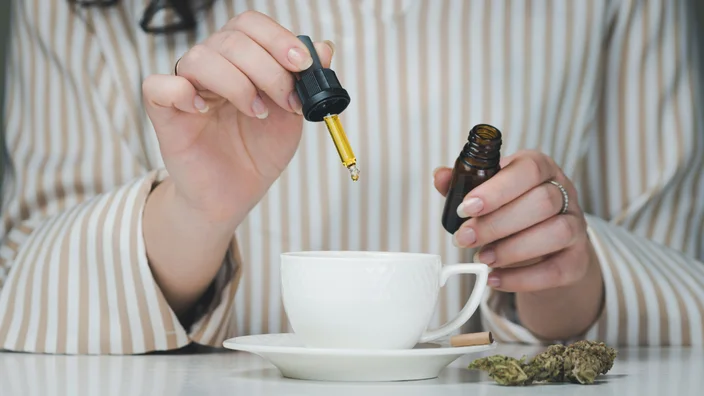
CBD, or cannabidiol, is a naturally occurring compound extracted from hemp, a variety of the Cannabis sativa plant. Unlike THC, CBD does not produce intoxicating effects or the “high” commonly associated with marijuana.
CBD oil is typically made by combining hemp extract with a carrier oil such as:
- MCT oil
- Hemp seed oil
- Olive oil
- Coconut-derived oil
Depending on the manufacturing process, CBD oil may contain only purified CBD or a broader range of naturally occurring hemp compounds.
Understanding Cannabinoids
Cannabinoids are naturally occurring chemical compounds found in hemp and cannabis plants. Scientists have identified more than 100 cannabinoids, though many are present only in small amounts.
Some of the best-known cannabinoids include:
CBD (Cannabidiol)
CBD is the most widely used non-intoxicating cannabinoid and is the primary ingredient in many hemp-derived wellness products.
1. THC (Tetrahydrocannabinol)
THC is the cannabinoid responsible for the psychoactive effects associated with cannabis. Legally produced hemp-derived CBD products typically contain only trace amounts of THC, depending on local regulations.
2. CBG (Cannabigerol)
Often called the “mother cannabinoid,” CBG is the precursor from which several other cannabinoids develop during plant growth.
3. CBC (Cannabichromene)
CBC is another naturally occurring cannabinoid that researchers continue to study for its potential role within the hemp plant’s overall chemical profile.
4. CBN (Cannabinol)
CBN forms as THC gradually breaks down over time and is another cannabinoid currently being investigated by researchers.
Each cannabinoid has a unique chemical structure, and scientists continue to explore how these compounds interact with the human body.
What Is the Entourage Effect?
The entourage effect is a scientific theory suggesting that cannabinoids, terpenes, flavonoids, and other naturally occurring compounds in hemp may work together rather than acting independently.
Instead of focusing on CBD alone, the entourage effect proposes that the combination of multiple plant compounds may influence the overall characteristics of a hemp extract.
It’s important to note that while this concept is supported by some preclinical research and is widely discussed within the cannabis industry, more high-quality human clinical studies are needed to fully understand its significance.
The Role of the Endocannabinoid System
To understand why cannabinoids matter, it’s helpful to know about the endocannabinoid system (ECS).
The ECS is a complex cell-signaling network found throughout the body and is involved in maintaining homeostasis, or internal balance.
Researchers have linked the ECS to several physiological functions, including:
- Mood regulation
- Sleep
- Appetite
- Immune function
- Pain perception
- Stress response
The ECS includes:
- Endocannabinoids produced naturally by the body
- Cannabinoid receptors (primarily CB1 and CB2)
- Enzymes that create and break down endocannabinoids
Scientists continue to investigate how plant-derived cannabinoids such as CBD interact with this system.
Why Terpenes Matter
Terpenes are aromatic compounds naturally found in hemp and many other plants, including citrus fruits, pine trees, lavender, and herbs.
They give hemp its distinctive aroma and flavor while contributing to the plant’s complex chemical profile.
Common hemp terpenes include:
1. Myrcene
Known for its earthy, herbal aroma.
2. Limonene
Recognized for its fresh citrus scent.
3. Pinene
Provides a crisp pine fragrance.
4. Caryophyllene
Offers spicy, pepper-like notes and is unique because it can interact with cannabinoid receptors.
Some researchers believe terpenes may contribute to the entourage effect by interacting with cannabinoids, though additional research is needed to clarify these relationships.
Full-Spectrum CBD Oil
Full-spectrum CBD oil contains:
- CBD
- Trace amounts of THC (within legal limits)
- Minor cannabinoids
- Terpenes
- Flavonoids
- Other naturally occurring hemp compounds
Because it retains most of the plant’s natural chemical profile, full-spectrum CBD is often associated with discussions about the entourage effect.
Broad-Spectrum CBD Oil
Broad-spectrum CBD contains:
- CBD
- Multiple cannabinoids
- Terpenes
- Flavonoids
However, detectable THC has typically been removed during processing.
Broad-spectrum products may appeal to individuals who want a wider range of hemp compounds without THC.
CBD Isolate
CBD isolate is the purest form of cannabidiol.
It contains:
- Purified CBD only
It does not contain significant amounts of:
- THC
- Terpenes
- Other cannabinoids
Because isolate lacks these additional compounds, it is generally not associated with the entourage effect.
Does the Entourage Effect Mean Full-Spectrum Is Always Better?
Not necessarily.
The best type of CBD oil depends on individual preferences, lifestyle, and specific needs.
Some consumers prefer full-spectrum products because they contain a wider variety of naturally occurring hemp compounds.
Others choose broad-spectrum CBD to avoid THC while still benefiting from multiple cannabinoids and terpenes.
Some individuals select CBD isolate because they prefer products containing only cannabidiol.
There is no universally “best” option for everyone.
Why Product Quality Is Important
Whether you choose full-spectrum, broad-spectrum, or CBD isolate, product quality should remain a top priority.
Look for CBD oils that provide:
1. Third-Party Laboratory Testing
Independent laboratory testing verifies cannabinoid content and screens for contaminants.
2. Clear Ingredient Lists
Choose products with transparent labeling and easy-to-understand ingredients.
3. Responsibly Sourced Hemp
High-quality hemp contributes to consistent cannabinoid and terpene profiles.
4. Good Manufacturing Practices
Reliable manufacturers follow strict quality control standards throughout production.
Common Myths About the Entourage Effect
Myth 1: Higher CBD Means Better Results
Not necessarily.
The overall cannabinoid and terpene profile may be just as important as CBD concentration.
Myth 2: CBD Isolate Doesn’t Work
CBD isolate remains a legitimate product option. It simply contains purified CBD without additional hemp compounds.
Myth 3: All Full-Spectrum Products Are the Same
False.
Cannabinoid and terpene profiles vary significantly between manufacturers, hemp varieties, and extraction methods.
How to Read a CBD Label
When shopping for CBD oil, pay attention to:
- CBD content per serving
- Total CBD per bottle
- Product type (full-spectrum, broad-spectrum, or isolate)
- Ingredient list
- Carrier oil
- Third-party testing availability
- Batch number
- Expiration date
These details help you compare products more effectively.
Also Read: Is CBD a Prescription Drug or a Natural Supplement?
Final Thoughts
The entourage effect highlights the complexity of hemp and reminds us that CBD is only one part of a much larger botanical profile. Cannabinoids such as CBG, CBC, and CBN, along with naturally occurring terpenes and flavonoids, may interact in ways that influence the overall characteristics of a CBD product. While researchers continue to investigate these interactions, the concept has helped consumers better understand why different CBD oils can vary even when they contain similar amounts of cannabidiol.
Whether you choose a full-spectrum, broad-spectrum, or CBD isolate product, quality should always come first. Look for CBD oils made from responsibly grown hemp, supported by third-party laboratory testing, and clearly labeled with cannabinoid content and ingredients. Understanding the entourage effect won’t necessarily tell you which product is best, but it can help you make a more informed choice based on your personal preferences and wellness goals.
As scientific knowledge continues to evolve, staying informed and choosing transparent, high-quality CBD products remains the best approach to incorporating CBD oil into a balanced wellness routine.